

Transit Surveillance That Reduces Risk
- mobilevideosystem
- Jun 12
- 6 min read
A passenger complaint comes in at 4:45 p.m. A near-miss is reported by a driver before the next shift starts. A slip-and-fall claim appears three days later with no independent witness. In transit operations, those gaps between what happened and what can be proven are where cost, risk, and public trust start to erode. Transit surveillance closes those gaps by giving operators verified visibility inside the vehicle, around the vehicle, and across the route.
For transportation administrators and safety leaders, that visibility is no longer just about recording incidents after the fact. It is about protecting drivers, passengers, vehicles, and operations in real time. The strongest systems now combine onboard video, AI analytics, GPS location, driver behavior data, and remote access into one operational picture. That shift matters because transit risk rarely comes from a single event. It builds from repeated blind spots.
What transit surveillance needs to do now
Basic cameras are easy to buy. Useful surveillance is harder to engineer. In a transit environment, the system has to perform under vibration, changing light, weather exposure, passenger movement, stop-and-go driving, and long operating hours. It also has to produce footage that can stand up during claims review, internal investigations, and in some cases legal scrutiny.
That is why transit surveillance should be evaluated as a safety infrastructure decision, not a camera purchase. Image quality matters, but so do storage reliability, event tagging, remote retrieval, cybersecurity, system uptime, and how well the platform connects with telematics and safety workflows. If video exists but takes hours to find, or if footage is lost when power fluctuates, the system is not doing its job.
For many transit agencies and contracted fleet operators, the requirement is broader than security alone. They need to monitor unsafe driving, document passenger incidents, verify route activity, address fare or conduct disputes, and support compliance obligations. One platform may be expected to help safety, operations, maintenance, risk management, and security teams at the same time. That is where a fragmented setup starts to break down.
The difference between recording and operational awareness
There is a real difference between having cameras onboard and having operational awareness. Recording gives you evidence after something goes wrong. Operational awareness helps you identify patterns before they turn into collisions, assaults, false claims, or service disruptions.
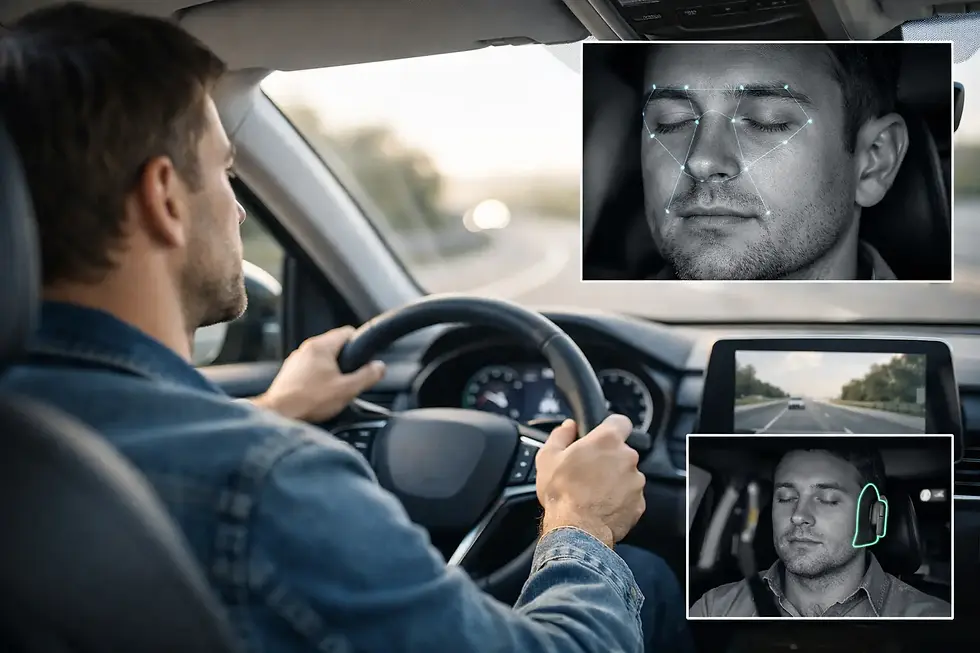
A well-designed mobile video system can flag harsh braking, sudden acceleration, lane departure risk, stop-sign violations, tailgating, distracted driving, and unusual activity in the passenger cabin. When video is paired with GPS and event-based triggers, managers no longer have to review hours of footage to understand what happened. They can go directly to the event, review the context, and act faster.
That speed changes outcomes. A safety manager can coach a driver based on actual behavior instead of a vague report. A transit supervisor can respond to a passenger altercation while the vehicle is still in service. A risk manager can preserve evidence before it is overwritten or requested by outside counsel. In operational terms, better surveillance shortens the distance between incident, verification, and response.
Where transit surveillance delivers the most value
The most obvious use case is incident documentation, but that is only one part of the return. Transit operators often see the biggest value in the way surveillance supports daily accountability.
Driver protection is a major example. Operators face increasing exposure to aggressive motorists, passenger disputes, and allegations that are difficult to verify without video. Forward-facing, side, rear, and interior cameras provide a factual record that can exonerate drivers when they follow policy and help identify coaching needs when they do not.
Passenger protection is just as important. Interior video can document falls, onboard disturbances, and security incidents. For paratransit and specialized transportation, surveillance may also help confirm lift use, securement procedures, boarding assistance, and other service-sensitive interactions where documentation matters.
Then there is vehicle and asset protection. Transit vehicles operate on predictable routes and schedules, which can increase exposure to vandalism, theft, and repeat nuisance incidents. Video with real-time access allows operations teams to monitor developing situations without waiting until a vehicle returns to the yard.
A less discussed benefit is operational discipline. When systems combine surveillance with telematics, route history, and driver event data, recurring problems become easier to see. A fleet may find that one location produces repeated hard-braking events, or that complaints spike on a particular shift, or that a subset of vehicles has chronic blind-spot exposure. Surveillance does not solve those issues by itself, but it gives leadership evidence to correct them.
AI has changed the standard for transit surveillance
AI analytics have raised expectations, but they should be applied with care. The goal is not to flood managers with notifications. It is to identify events worth reviewing and reduce wasted time.
In transit environments, AI can help detect risky driver behavior, identify when pedestrians or cyclists enter danger zones, recognize unusual activity near doors, and surface clips tied to predefined thresholds. That is valuable because transportation teams are managing large volumes of mobile video across dispersed assets. Manual review alone does not scale well.
Still, more AI is not always better. An over-tuned system can create noise, overwhelm supervisors, and erode trust in alerts. The right setup depends on fleet type, route conditions, passenger profile, and staffing capacity. A city shuttle, an EMS transport unit, and a long-haul motorcoach do not need the same alert logic. Effective deployment comes from calibration, not feature stacking.
System design matters more than the spec sheet
Many surveillance projects underperform for a simple reason: the hardware list looked strong, but the design did not match the operation. Transit vehicles are not static sites. Camera placement, storage strategy, connectivity, and event logic all need to reflect how the fleet actually runs.
A bus or shuttle may require wide interior coverage, door views, mirror replacement support, stop-arm or curbside visibility, and enough retention to support delayed claim reporting. A paratransit vehicle may need camera angles that protect both passengers and staff during assisted boarding. An organization transporting vulnerable passengers may also need stricter access controls and documented video handling procedures.
This is why enterprise buyers tend to look beyond equipment and toward implementation capability. Installation quality affects uptime. Configuration affects usability. Support affects how much value the system produces after launch. For mission-critical fleets, a surveillance platform is only as dependable as the partner responsible for design, deployment, and service.
What decision-makers should ask before investing
The best buying questions are operational, not cosmetic. How quickly can your team retrieve critical footage after an event? Can the platform connect video with GPS, driver behavior, and alert data? Does the storage architecture protect footage during power interruptions or network loss? Can supervisors review only exception-based events instead of chasing random clips? How will the system perform across mixed vehicle types and long service hours?
It is also worth asking who will use the system every day. Safety teams want coaching tools. Risk teams want evidentiary quality and retention controls. Operations wants fast access and minimal downtime. IT wants security and manageable infrastructure. If the system works for only one department, adoption usually suffers.
Mobile Video Systems Inc. operates in this space as a full-service video intelligence partner, which reflects what many transit organizations actually need - not isolated devices, but an integrated safety and surveillance environment built for demanding mobile operations.
Transit surveillance is becoming a management tool
The strongest transit programs no longer treat surveillance as a passive recorder mounted to the ceiling. They treat it as part of a broader risk-control system. Video validates events, supports training, improves response time, strengthens accountability, and helps protect the people doing the work.
That shift is especially important as claims become more expensive, driver shortages continue, and public-facing transportation environments grow less predictable. The pressure on operators is not just to document what happened. It is to demonstrate that they can monitor, respond, and improve.
If your current setup only gives you footage after someone asks for it, you may have cameras without having control. Transit surveillance earns its value when it helps your team see sooner, act faster, and protect service with facts instead of assumptions.
The right system does not just watch the route. It gives your operation a clearer standard for safety every time a vehicle leaves the yard.


Comments